
B2B Self-Service Portal for Wholesalers: What You Need to Know
Why are leading B2B wholesalers opting for self-service portals and what to consider before creating one?
Why are leading B2B wholesalers opting for self-service portals and what to consider before creating one?

How SAP CX solutions bridge the customer experience gap in the Aftermarket products delivery.

2024 Holiday Season Sales is approaching. As businesses gear up for spikes in sales, a performance optimization checklist can ensure your systems run faster than your customer demand.
A highlight of SAP Sapphire 2024, Generative AI is increasingly transforming the CX solution landscape across industries. Following ChatGPT’s exceptional success, companies are investigating how to integrate the technology to remain competitive and relevant in the market.
One thing has become clear as day: Generative AI, which was thought to be a temporary hype by some, is here to stay and its influence will only grow and steer the future developments in CX and beyond.
Ecommerce Business Leaders: How scalable and sustainable is your storefront? Are you prepared for rapidly changing customer expectations?
Exclusive insider insights for B2B manufacturers on achieving excellence in their ordering process through Quote-to-Order. (Part 2/2)
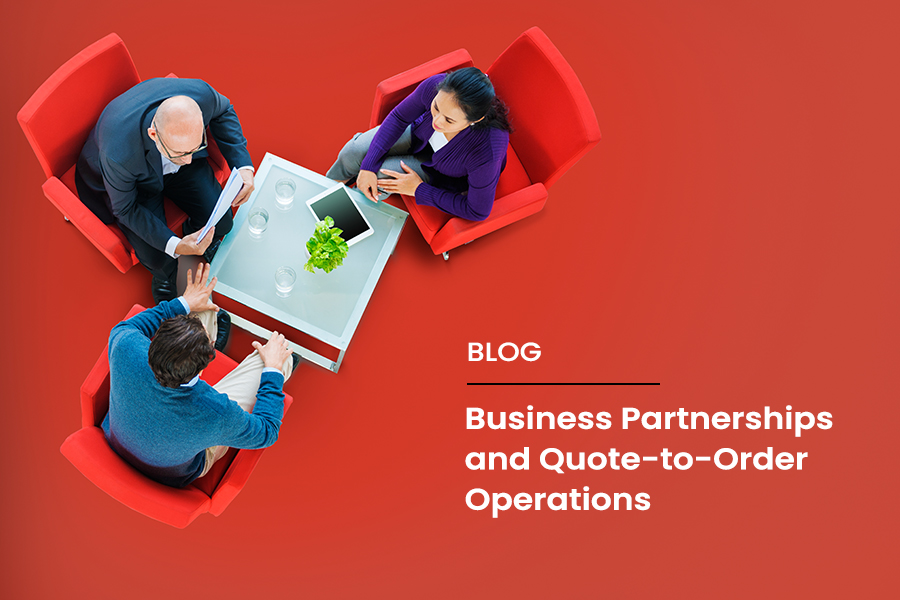
Exclusive insider insights for B2B manufacturers on achieving excellence in their ordering process through Quote-to-Order. (Part 1/2)
Drive profitability through agile and flexible ecommerce ecosystems. See how Composable Commerce can turbocharge your growth.
How often do you test your e-Commerce website? Could you be missing the most vital steps in your e-commerce testing processes?

The market around us has changed a lot. Customers don't want to extensively search for answers to their questions, nor do they want to wait days for companies to answer a question. If they can't easily find the answer and can't ask the question easily, they start researching alternatives. If this happens, the chance of successful sales is drastically reduced. For a company it, therefore, becomes increasingly relevant to engage with potential customers directly through the channel of their choice.

We live in an age where everyone is well-accustomed to purchasing goods online – better known as B2C these days. And success levels in B2C increase with the ability to maintain online stores. Maintaining stores becomes trickier when you have multiple stores to manage. What do you do to ensure flawless management in such a scenario?
The sphere of web-based commerce is forever developing – fresh features getting launched with the latest releases, all created to keep you ahead of the competitors. However, this means that every version of any software will stretch to a stage where constraints sneak up, and it will become increasingly hard to employ these new features.
